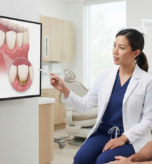
Gum disease is one of the most common oral health problems worldwide, affecting millions of people every year. Yet many patients don’t realize they have it until symptoms become noticeable. Bleeding gums, bad breath, or swollen gum tissue may seem minor at first, but they can signal the beginning of a serious dental issue.
A common question many patients ask is: Can gum disease be reversed? The answer depends on the stage of the disease and how early treatment begins. The good news is that with proper dental care and timely treatment, early gum disease can often be reversed and more advanced stages can be effectively managed.
Let’s explore what gum disease is, whether it can be reversed, and what treatment actually looks like.
What Is Gum Disease?
Gum disease, also known as periodontal disease, is an infection of the gum tissues that support your teeth. It develops when plaque — a sticky film of bacteria — builds up along the gumline.
When plaque is not removed through proper brushing and flossing, it hardens into tartar, which irritates the gums and leads to inflammation. Over time, this infection can damage the gums and even the bone that holds your teeth in place.
Gum disease typically develops in two main stages:
1. Gingivitis (Early Stage)
This is the earliest and mildest form of gum disease. At this stage, the gums become inflamed but the bone and connective tissues are still intact.
Common symptoms include:
- Red or swollen gums
- Bleeding while brushing or flossing
- Persistent bad breath
- Tender gums
The good news: Gingivitis is reversible with professional dental cleaning and improved oral hygiene.
2. Periodontitis (Advanced Stage)
If gingivitis is left untreated, it can progress into periodontitis. In this stage, bacteria spread beneath the gumline and begin damaging the bone that supports your teeth.
Symptoms may include:
- Receding gums
- Loose teeth
- Deep gum pockets
- Pain while chewing
- Changes in bite alignment
At this point, the damage cannot be completely reversed, but it can be treated and controlled to prevent further progression.
Can Gum Disease Really Be Reversed?
The reversibility of gum disease depends on how early it is diagnosed.
Early Stage (Gingivitis)
Yes, gingivitis can be fully reversed. When plaque and tartar are removed and proper oral hygiene habits are followed, the gums can heal and return to a healthy state.
Advanced Stage (Periodontitis)
Periodontitis cannot be fully reversed because bone loss may already have occurred. However, modern dental treatments can stop the infection, stabilize the gums, and prevent further damage.
This is why early diagnosis and treatment are critical.
What Gum Disease Treatment Actually Looks Like
Many people assume gum disease treatment is complicated or painful, but most treatments are straightforward and highly effective. Your dentist will recommend treatment based on the severity of the condition.
1. Professional Dental Cleaning
For early gum disease, the first step is usually a professional dental cleaning.
During this procedure, a dental hygienist removes plaque and tartar buildup from the teeth and gumline. This helps eliminate the bacteria responsible for gum inflammation.
Professional cleanings combined with proper brushing and flossing can often restore gum health in the early stage.
2. Scaling and Root Planing (Deep Cleaning)
If gum disease has progressed beyond gingivitis, your dentist may recommend scaling and root planing, also known as deep cleaning.
This treatment involves:
- Removing plaque and tartar from below the gumline
- Smoothing the tooth roots to prevent bacteria from reattaching
- Allowing the gums to reattach to the teeth
This procedure significantly reduces infection and helps the gums heal.
3. Antibiotic Therapy
In some cases, dentists may use antibiotic treatments to help control bacterial infection.
These may include:
- Antibiotic gels applied directly into gum pockets
- Oral antibiotics
- Antimicrobial mouth rinses
These treatments support healing and reduce harmful bacteria.
4. Periodontal Maintenance
After initial treatment, patients with gum disease often require periodontal maintenance visits every 3–4 months instead of the typical six-month cleaning.
These visits allow the dental team to monitor gum health, remove new plaque buildup, and prevent recurrence.
Consistent follow-ups play a major role in long-term gum health.
Signs You Should See a Dentist Immediately
Many people ignore early gum disease symptoms until the condition worsens. If you notice any of the following signs, it’s important to schedule a dental visit as soon as possible:
- Bleeding gums while brushing or flossing
- Persistent bad breath
- Swollen or tender gums
- Gum recession
- Loose teeth
- Pus between teeth and gums
Early treatment can prevent permanent damage and save your teeth.
How to Prevent Gum Disease
The best treatment for gum disease is prevention. Maintaining good oral hygiene habits can significantly reduce your risk.
Here are simple ways to protect your gums:
- Brush twice daily with fluoride toothpaste
- Floss every day to remove plaque between teeth
- Use antibacterial mouthwash if recommended by your dentist
- Schedule regular dental checkups and cleanings
- Avoid smoking or tobacco use
- Maintain a healthy diet
Preventive care helps stop plaque buildup before it turns into gum disease.
Final Thoughts
So, can gum disease be reversed? The answer is yes — but only in its earliest stage. Gingivitis can be completely reversed with professional care and improved oral hygiene. However, once gum disease progresses to periodontitis, treatment focuses on controlling the infection and preventing further damage.
The key to protecting your smile is early detection and regular dental visits. If you notice any symptoms of gum disease, don’t wait. A dental professional can evaluate your gums and recommend the best treatment to restore your oral health.
Healthy gums are the foundation of a healthy smile — and with the right care, they can stay that way for years to come.